Clinical Trial Phases For Targeted Therapies
Overview
The field of oncology has undergone major changes since the beginning of the twenty first century. The progress in molecular and cellular biology has led to greater understanding of the cellular pathways, cellular proliferation and tissue invasion that result in the formation of cancer.
The mechanisms of carcinogenesis are also better understood with the fields of genomics and proteomics providing new information that can be used for better prevention, detection and diagnosis of cancer.
New drugs are presently in development that target specific molecules in pathways that are considered critical for tumor pathology and more importantly for the survival of the cancer cell.
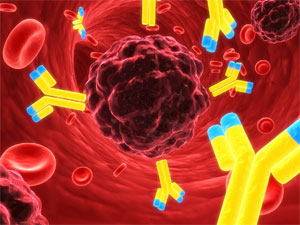 |
Targeted therapy is the collective term used to describe all types of agents that will affect only the malignant cells, sparing the normal cells from the cytotoxic therapy. This is typically because the target is usually present only on the or in malignant cells. |
|
Although new designs including adaptive design are now being explored many of the same criteria listed in the cytotoxic trial table above are the same as those for targeted therapy trials. Only those aspects that are different are described below.
Phase 0 Clinical Trials: Exploring if and how a new drug works
Even though Phase 0 studies are conducted using humans, this is a newer type of study. Some cancer patients will likely be asked to take part in these kinds of studies, and it is important to understand how Phase 0 studies work.
These are exploratory studies that often use only a few small doses of a new drug in each patient. Phase 0 studies test to find out whether the drug reaches a tumor, how the drug acts in the human body, and how cancer cells respond to the drug.
A big difference between Phase 0 trials and the later phases of clinical trials is that there is no chance of a direct benefit to the patient participating in a Phase 0 trial. Because drug doses are low, there is also less risk to the patients in these studies compared to Phase I trials.
Phase 0 studies help researchers discover early on if drugs do not behave in the ways they are expected. If there are problems with the way the drug is absorbed or otherwise acts in the body, this should become very clear quickly in the course of a Phase 0 trial. This process can help avoid the delay and expense of finding out much later during Phase II or even Phase III clinical trials that the drug doesn't act as it was expected to based on lab studies.